
 You do not need to hike deep into the wilderness to escape the crowds. You just need better timing and a different mindset.
Wildlife Encounters: How to Be a Good Guest
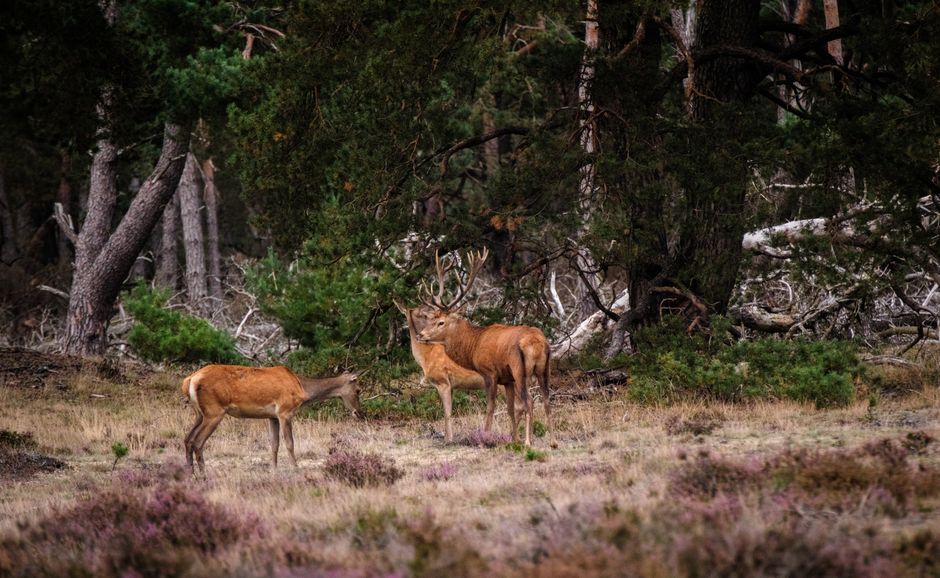
One of the great joys of hiking is catching a glimpse of an animal going about its day. A deer stepping delicately through the ferns, a marmot whistling from a boulder, a heron standing motionless in a marsh. These moments feel like gifts. But they also come with responsibility. We are visitors in their home, and how we behave can mean the difference between a magical sighting and a dangerous encounter.
Understanding a few basic principles will help you stay safe, protect the animals, and keep wild places wild. The goal is not to be afraid of wildlife, but to be a respectful guest.
Give Them Space
The most important rule is simple: keep your distance. For most animals, a good guideline is at least fifty yards, and for large predators like bears and wolves, a hundred yards or more. If an animal changes its behavior because of you, you are too close. That might mean it stops eating, stares at you, moves away, or acts agitated. Back off slowly and give it room.
Never approach an animal for a photo. It is tempting, especially when the animal seems calm, but wild animals are unpredictable. A moose that looks placid can charge in an instant. A mother bear with cubs is one of the most dangerous animals you can encounter, and she will not hesitate to defend her young. Use a zoom lens or binoculars instead. The memory of a respectful sighting is better than a risky close-up.
Food is another major issue. Do not feed wildlife, ever. It teaches animals to associate people with food, which leads to bold behavior and often ends badly for the animal. Store your snacks securely and pack out every scrap. Even a dropped crumb can attract rodents and birds that become dependent on human handouts.
What to Do If You Meet a Large Animal
Most encounters with large animals end peacefully if you stay calm. If you see a bear at a distance, give it space and change your route if possible. If it approaches, group together, make yourself look big, and speak in a loud, firm voice. Do not run, as that can trigger a chase response. Bear spray is a worthwhile investment if you hike in bear country, and knowing how to use it before you need it is essential.
For mountain lions or cougars, maintain eye contact and back away slowly. Do not turn your back or crouch down. If the animal acts aggressive, appear large and throw things if necessary. These encounters are rare, but knowing what to do helps you stay calm.
Smaller animals deserve respect too. Chipmunks, squirrels, and birds may seem harmless, but they can bite if cornered, and feeding them disrupts their natural behavior. Enjoy them from a distance and let them stay wild.
Every time we step onto a trail, we enter a world that is not ours. By keeping our distance, securing our food, and learning a few basic responses, we can share that world without causing harm. The animals will thank you by staying wild, and your hikes will be richer for it.