
 Not every adventure needs to be epic. Sometimes a two-mile walk is exactly what you need.

Leave No Trace: Small Habits That Make a Big Difference
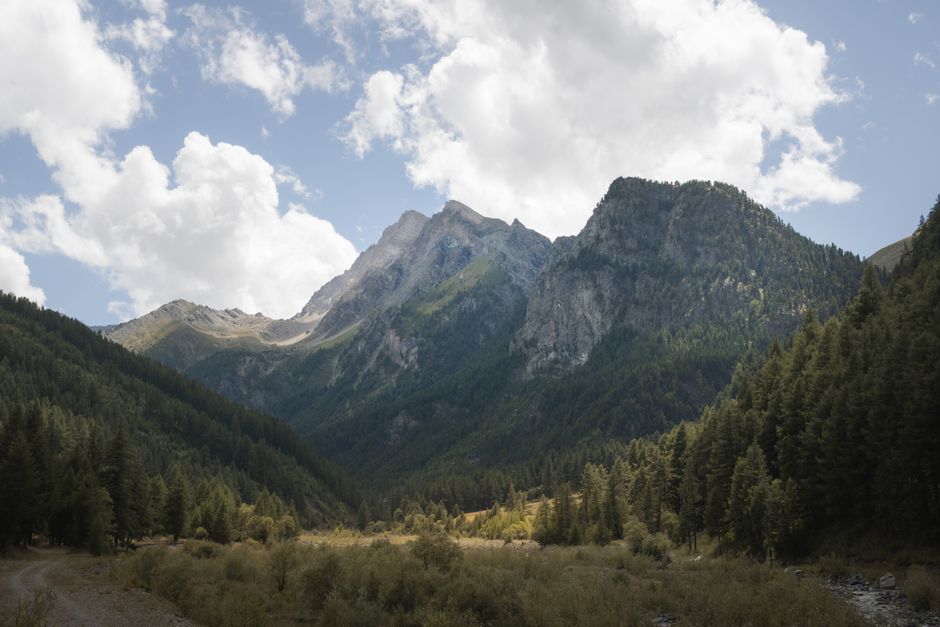
Every hiker has seen it: an orange peel tossed beside a rock, a fire ring built in the wrong spot, a pile of toilet paper behind a tree. These small messes add up, and they quietly erode the wild places we go out to enjoy. Leave No Trace is not a list of rules meant to spoil your fun. It is a set of habits that keep trails beautiful for the next person and the next generation.
The good news is that most of these habits cost you almost nothing in effort. They just require a little attention and a willingness to plan ahead.
Plan Ahead and Pack It Out
The single most effective thing you can do is prepare before you leave home. Repackage snacks into reusable bags so you are not shedding wrappers along the way. Bring a small stuff sack for your trash, and treat it as part of your regular gear. If there is room in your pack for a sandwich, there is room for the wrapper when the sandwich is gone.
This applies to everything, including things that seem like they will break down. Orange peels, apple cores, and nut shells can take far longer to decompose than people assume, especially in dry or cold environments. They also attract animals, which can change their behavior and put them in danger. The rule is simple: if you carried it in, carry it out.
Human waste is the topic no one loves, but it deserves a moment. In many popular areas, the right approach is to pack it out in a wag bag. In others, it means digging a cathole six to eight inches deep, well away from water, trails, and campsites, and then disguising the spot afterward. Toilet paper goes in a bag, not on the ground. This is not glamorous, but it is what keeps heavily used areas from becoming unpleasant.
Respect Wildlife and Other Visitors
Wild animals are not pets, and treating them like one is a disservice to them and a risk to you. Keep your distance, store your food securely, and never feed anything, no matter how charming it looks. A squirrel that learns to beg is a squirrel that will eventually be a problem, and problem animals often pay the price.
Other hikers deserve consideration too. Yield on the trail, especially to those going uphill or to anyone who looks like they need the space. Keep your music to yourself, and let the sounds of the forest do the entertaining. If you bring a dog, follow local leash rules and pick up after it.
Campfires are another place where small choices matter. Use established fire rings where they exist, keep fires small, and make sure they are completely out before you sleep. In dry seasons, a stove is often the better choice. The point is not to avoid fires entirely but to use them thoughtfully.
None of this requires perfection. It requires intention. The hikers who do the most good are not the ones who never make a mistake. They are the ones who notice the little things and choose, again and again, to leave the trail a touch better than they found it.